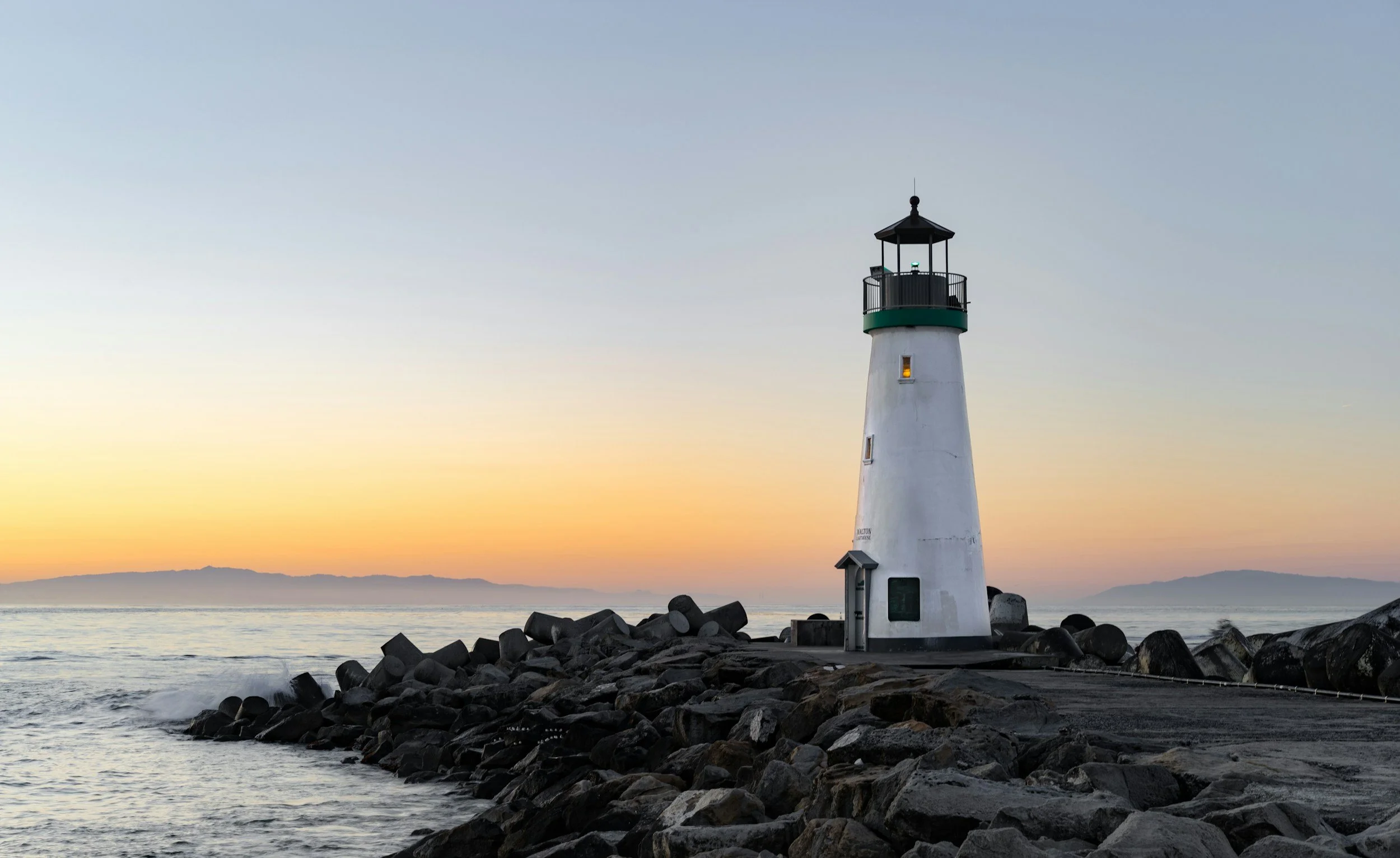
Pacific Grove is known locally as “America’s Last Hometown,” and that isn’t just a slogan, it shapes how the city regulates everything from short-term rentals to what you can change on the outside of your house. If you’re selling here, especially to a buyer from outside the area, there are a few things worth understanding upfront.
Get a Pacific Grove home value estimate →
What Makes Selling in Pacific Grove Different
Pacific Grove takes a different approach to short-term rentals than its neighbors: unlike Monterey’s outright ban, the city allows them, but under a capped licensing system with only 250 active licenses citywide, restricted to Coastal and Commercial zones, and with density limits per block. If your buyer is hoping to use the home as a short-term rental, that’s not automatically off the table here, but it does mean checking license availability and zoning before assuming it’s possible.
Pacific Grove has one of the largest concentrations of Victorian-era homes on the Central Coast, many built between 1879 and the 1920s and tracked individually by the Pacific Grove Heritage Society, which places small green plaques on homes noting their build year and original owner. If your home is one of these, expect additional scrutiny from the city’s Architectural Review Board on any exterior changes, and factor that into how you disclose the home’s history and market it to a buyer who may want to renovate.
Much of Pacific Grove sits in the California Coastal Zone, which means the California Coastal Commission, not just the city, can have a say in exterior work, additions, or new construction on many properties. This adds a layer buyers and their lenders will ask about, so having a clear answer on your home’s Coastal Zone status ready before you list will save time once you’re in escrow.
Pricing Your Home Correctly
Pacific Grove’s pricing varies a lot depending on ocean proximity and lot orientation. Homes near Lovers Point or along the coastal bluffs command a real premium over otherwise comparable homes a few blocks inland, and Victorian-era homes with documented history can price differently than a standard-construction home of the same square footage. Price against true comparables in your specific area of town, not a blanket citywide number.
Talk to me about pricing your Pacific Grove home →
Common Pitfalls Sellers Face
Marketing the home as an unrestricted short-term rental opportunity without confirming that a license is actually available under the city’s 250-license cap.
Skipping disclosure on Coastal Zone status or Victorian/historic character, which affects a buyer’s renovation timeline and whether the Coastal Commission gets involved.
Relying on a flat citywide average price when ocean proximity alone can shift comparable values significantly within just a few blocks.
If You’re Ready to List
I’ll walk you through a Pacific Grove-specific comparative market analysis, confirm your home’s Coastal Zone and historic status before they become a buyer objection, and build a marketing plan that reaches the right buyer, whether that’s a full-time resident or a second-home buyer.