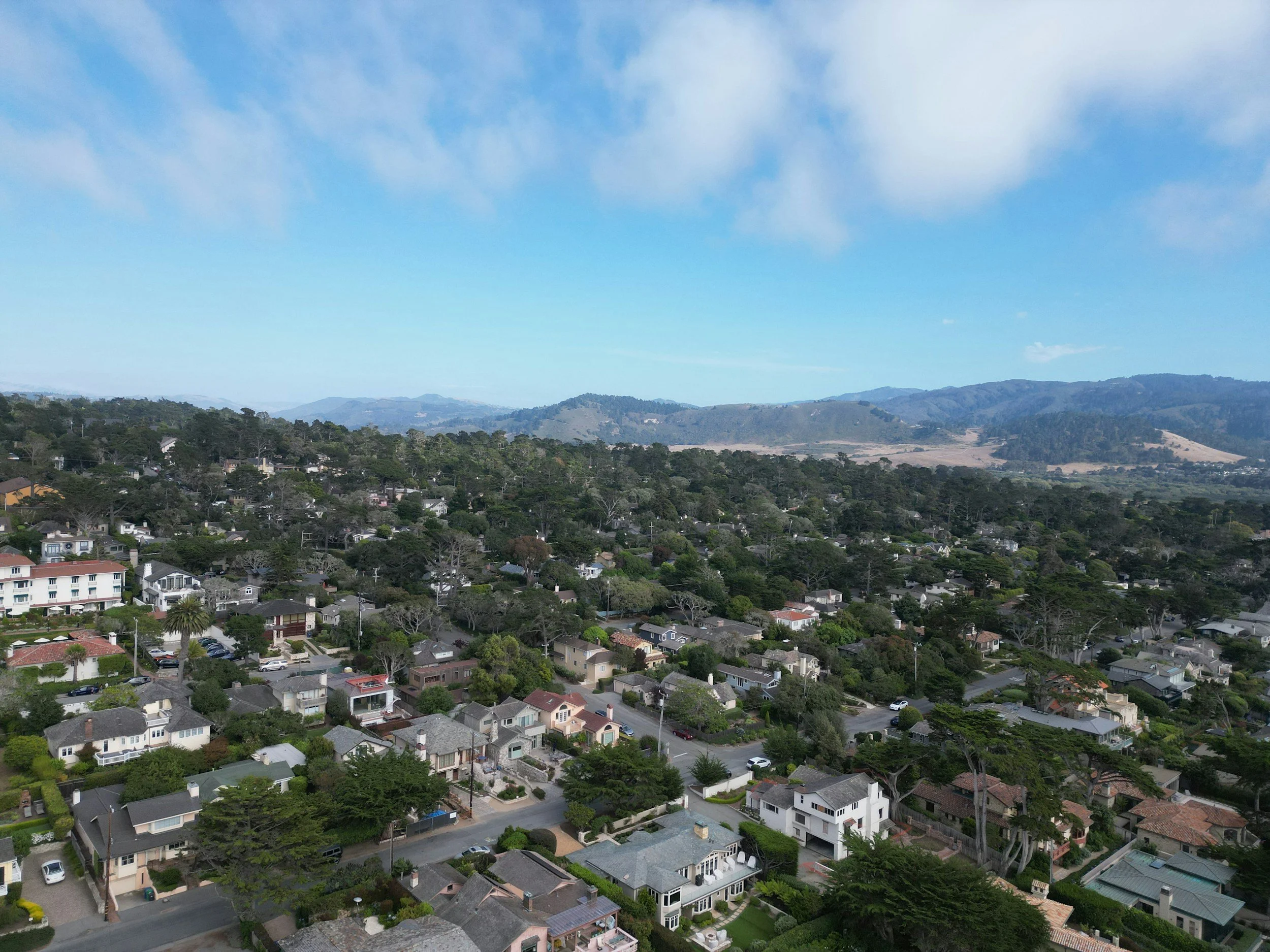
Monterey is an incorporated city with its own planning department, its own zoning code, and unlike several of its Peninsula neighbors, a flat, actively enforced ban on short-term rentals. If you’re selling here, especially to an out-of-area or investment-minded buyer, that single fact needs to be part of your conversation with them from the very first showing.
Get a Monterey home value estimate →
What Makes Selling in Monterey Different
Short-term rentals of any length under 30 days have been banned in Monterey’s residential zones since 1991, and the city enforces it seriously — fines run up to $1,000 per day, and the city has used undercover bookings to catch violators. If a buyer is picturing your home as an Airbnb, that expectation needs correcting immediately, before it becomes a source of frustration after closing.
Monterey’s housing stock includes genuine historic adobe structures, some dating to the Spanish and Mexican colonial periods, concentrated in and around the Path of History downtown. If your home falls into this category or a designated historic district, expect additional review on exterior changes — a fact that affects both your disclosures and how you market the home to a buyer who may want to renovate.
Monterey’s neighborhoods vary more than the town’s small size suggests. New Monterey, the area around Cannery Row, and the more residential hillside pockets each carry different price dynamics and different buyer profiles, from second-home buyers drawn to the waterfront energy to full-time residents in quieter areas further from the tourist core.
Pricing Your Home Correctly
Monterey’s median and average sale prices can diverge significantly from each other depending on which pocket of the city a given month’s sales came from, since a few higher-end transactions near the water can pull the average well above what a typical residential-zone home is actually worth. Price against comparables in your specific neighborhood, not a citywide average that may not reflect your block at all.
Talk to me about pricing your Monterey home →
Common Pitfalls Sellers Face
Marketing or pricing a home based on assumed rental income potential that the city’s ban makes illegal to act on.
Skipping disclosure on historic district status or adobe construction, which affects a buyer’s renovation plans and financing.
Relying on a citywide average price when Monterey’s neighborhoods vary enough to make that number misleading.
If You’re Ready to List
I’ll walk you through a Monterey-specific comparative market analysis, flag any STR or historic-district disclosure issues before they become buyer objections, and build a marketing plan that reaches the right buyer for your neighborhood, whether that’s a full-time resident or a second-home buyer.